
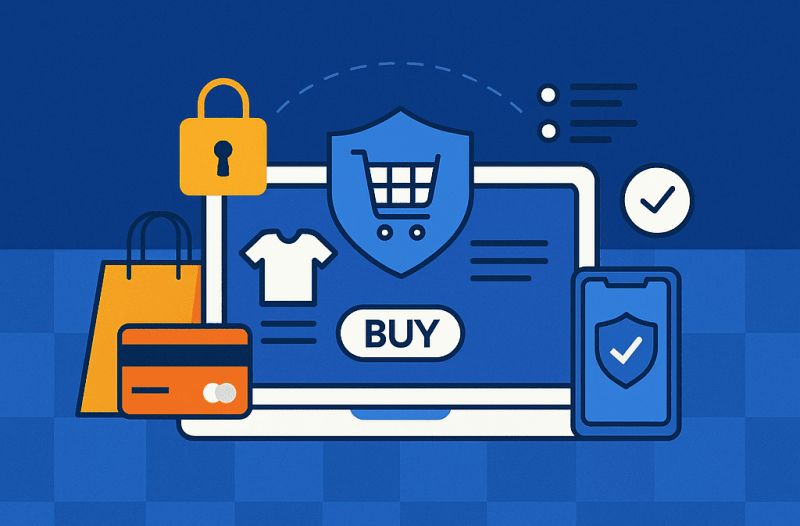
The Indian e-commerce market is growing at lightning speed-driven by digital payments, smartphone accessibility, and rising online shopping trends among urban and rural consumers. But with this growth comes a pressing challenge: security.
For any business planning to launch or scale an online store, Building a Secure E-Commerce Platform in India: Top Risks & Best Practices must be a top priority.
A single security breach can damage brand trust, cause financial loss, and expose sensitive customer data. The good news? With the right strategy, businesses can build robust, future-ready, and secure e-commerce systems.
Why Security Matters More Than Ever in Indian E-Commerce
India has one of the world’s fastest-growing online consumer bases. With this expansion comes an increase in:
- Online fraud
- Payment scams
- Data breaches
- Unauthorized access
- Malicious bot activity
Customers expect brands to protect their data. A secure platform not only prevents risks but also improves conversions, builds trust, and strengthens long-term loyalty.
Top Security Risks Indian E-Commerce Businesses Must Watch
1. Payment Fraud & Unauthorized Transactions
Digital payments are booming in India, but so are scams. Attackers use stolen cards, fake UPI IDs, and phishing tricks to place fraudulent orders.
Impact: Chargebacks, revenue loss, and damaged trust.
2. Data Breaches & Sensitive Information Leaks
Customer names, emails, phone numbers, and payment data are gold for cybercriminals. Weak encryption or outdated systems make platforms vulnerable.
Impact: Legal issues, loss of credibility, and financial penalties.
3. Malware, Bots & Ransomware Attacks
Bots scrape product pricing, add fake cart items, or initiate DDoS attacks to bring down websites. Ransomware attacks can lock store owners out of their own platforms.
Impact: Downtime, website crashes, and loss of revenue.
4. Vulnerable Third-Party Plugins
E-commerce stores often rely on plugins for payments, shipping, analytics, or automation. But outdated plugins become entry points for hackers.
Impact: Website takeover or malicious code injection.
5. Poor Password Hygiene & Weak Authentication
Many businesses still rely on simple login systems without multi-step verification.
Impact: Easy access for intruders using stolen credentials.
Best Practices to Build a Secure E-Commerce Platform in India
1. Choose a Secure & Scalable E-Commerce Architecture
Start by selecting experienced professionals for
👉 ecommerce development
👉 website development
A secure architecture includes:
- HTTPS-enabled hosting
- Firewall protection
- Encrypted databases
- Regular server updates
- Secure admin portals
2. Enable SSL Certificates & End-to-End Encryption
SSL ensures that sensitive information-passwords, payment details, personal data-remains safe when customers interact with your website.
Benefits:
✔ Improved trust
✔ Higher Google rankings (SEO boost)
✔ Secure transactions
3. Implement Multi-Factor Authentication (MFA)
For admin users, developers, and customers, MFA is one of the most effective protection methods.
Examples:
- OTP verification
- Email confirmations
- Device-based authentication
4. Secure Payment Gateway Integration
Integrate payment gateways compliant with:
- RBI guidelines
- PCI DSS standards
- UPI security protocols
A secure gateway reduces fraud and improves customer confidence.
5. Regular Security Audits & Vulnerability Testing
Cyber threats evolve constantly. Your website security should too.
A complete audit includes:
- Penetration testing
- Malware scanning
- Server load testing
- Plugin security checks
For businesses needing SEO, security audits also support optimization efforts through improved user experience.
Explore our services: SEO & SMO Services
6. Use Secure & Updated Third-Party Tools
Always check:
- Plugin credibility
- Update frequency
- Security reviews
Remove outdated plugins immediately.
7. Protect Admin Access with IP Whitelisting & Strong Password Policies
Restrict administrative access to trusted IPs only.
Use complex passwords and mandatory password rotation.
8. Backup Data Regularly
Use automated backups for:
- Product data
- Order history
- Customer information
- Website files
Store backups on secure external servers to prevent ransomware risks.
9. Train Your Team in Cybersecurity Awareness
Employees are often the first line of defense. Provide regular training using expert-led programs such as
👉 Internship, Training & Certification by Devexis
Training helps teams avoid:
- Phishing scams
- Social engineering
- Misconfigurations
Why Partner with Devexis India for a Secure E-Commerce Platform?
At Devexis, we specialize in secure website development and ecommerce development with a focus on performance, scalability, and cyber-safety.
Our solutions include:
- Custom secure e-commerce architecture
- Payment gateway optimization
- Firewall setup & security hardening
- Malware protection
- Speed optimization
- Advanced SEO & SMO
- Technical support & maintenance
Whether you’re launching a new store or securing an existing one, Devexis ensures complete peace of mind.
📞 Contact Devexis India
Call/WhatsApp: 011 69 311222
Email: hello@devexis.com