
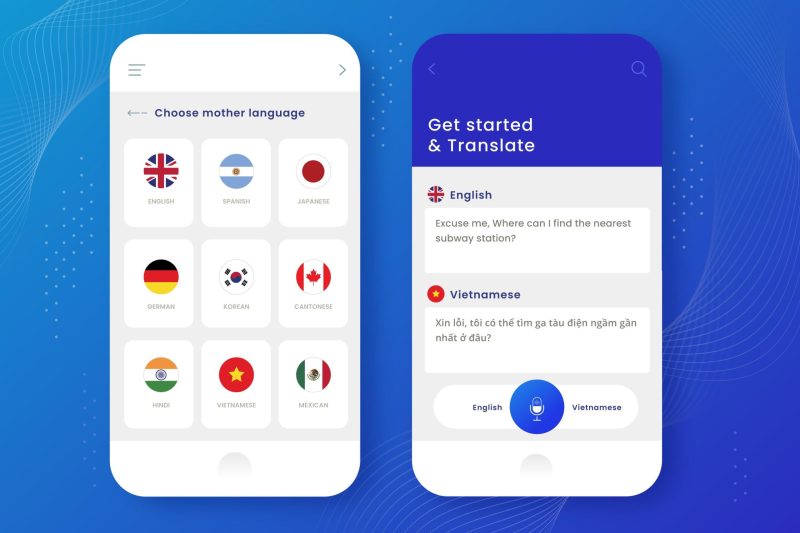
India is not just a country-it’s a collection of cultures, languages, behaviors, and digital habits. With over 22 officially recognized languages and hundreds of dialects, building a mobile app for the Indian market requires much more than simple translation. Designing a Multilingual Mobile App for India’s diverse market: UX & Technical tips is about understanding users deeply and aligning design, development, and performance with local expectations.
In this article, we’ll explore practical UX strategies and technical best practices to help businesses build scalable, inclusive, and high-performing multilingual mobile apps-especially for startups, enterprises, and brands investing in website development and ecommerce development in India.
Why Multilingual Mobile Apps Matter in India
India’s next billion internet users are coming from Tier 2, Tier 3, and rural regions-many of whom prefer local languages over English. Studies consistently show that users are more likely to trust, engage with, and convert on apps that speak their language.
Key benefits of multilingual apps include:
- Higher user adoption and retention
- Better accessibility and inclusivity
- Increased conversion rates in ecommerce
- Stronger brand trust and credibility
For businesses focusing on ecommerce development, multilingual support can directly impact sales by making users feel comfortable throughout the buying journey.
UX Tips for Designing Multilingual Mobile Apps
1. Start with Language Strategy, Not Translation
Avoid treating multilingual support as an afterthought. Decide early:
- Which languages to support first (Hindi, Tamil, Telugu, Bengali, Marathi, etc.)
- Whether to allow users to switch languages manually
- If auto-detection based on device or location is appropriate
A well-planned language strategy ensures smoother UX and reduces redesign costs later.
2. Design for Text Expansion and Script Differences
Indian languages often take more space than English. For example:
- Hindi and Marathi words can be 30–40% longer
- Tamil and Malayalam scripts have unique visual density
UX Tip:
Use flexible layouts, avoid fixed-width buttons, and test UI with real translated content-not placeholder text.
3. Keep Navigation Simple and Familiar
First-time smartphone users prefer clarity over creativity.
- Use universally recognizable icons
- Pair icons with text labels in the selected language
- Avoid excessive animations that may slow down low-end devices
This is especially important for apps supporting services like ecommerce, bookings, or payments.
4. Cultural Context Matters
Localization goes beyond language:
- Use regionally familiar imagery
- Adapt date formats, currency (₹), and address structures
- Be mindful of cultural sensitivities in colors and symbols
A culturally aware design builds emotional connection and trust.
5. Typography and Readability
Choose fonts that:
- Support multiple Indian scripts
- Are legible on small screens
- Load efficiently on low-bandwidth networks
Google’s Noto fonts or region-specific fonts are often a good choice for multilingual apps.
Technical Tips for Multilingual App Development
1. Use Internationalization (i18n) Best Practices
Implement i18n frameworks early in development:
- Android:
strings.xmlwith locale-specific folders - iOS:
.stringsand.stringsdictfiles - Cross-platform: Use libraries like i18next or Flutter’s localization support
Never hardcode text-this makes scaling languages difficult and error-prone.
2. Backend Language Handling
Store language preferences in user profiles or sessions so the experience remains consistent across devices.
For content-heavy apps or ecommerce platforms, ensure:
- APIs support multilingual content
- CMS allows easy language management
This is critical for businesses investing in scalable website development and mobile ecosystems.
3. Performance Optimization for Indian Networks
Many users still rely on:
- 3G/4G connections
- Budget Android devices with limited storage
Optimize by:
- Compressing assets
- Lazy-loading language files
- Caching frequently used content
Performance directly affects retention in the Indian market.
4. Testing with Real Users
Test your app:
- Across regions
- On low-end devices
- With native language speakers
This helps catch translation errors, layout issues, and usability gaps that automated testing often misses.
5. SEO & App Discoverability
For apps connected to websites or web views:
- Use localized keywords
- Optimize multilingual landing pages
- Align app content with your digital marketing strategy
Strong SEO and SMO support can amplify reach-learn more about professional optimization services at
👉 https://devexis.com/seo-smo/
Multilingual Apps & Ecommerce Growth in India
For brands focused on ecommerce development, multilingual apps can be a game-changer:
- Product descriptions in local languages boost confidence
- Regional offers feel more personalized
- Customer support becomes more effective
If you’re building or scaling an ecommerce platform, explore tailored solutions here:
👉 https://devexis.com/ecommerce-develoment/
The Role of Strong Website & App Ecosystems
A multilingual mobile app works best when paired with a well-structured website. Consistent language support across platforms improves brand recall and user trust.
Learn more about building scalable, multilingual digital platforms:
👉 https://devexis.com/web-development/
Learning & Building Skills in Modern App Development
For students and professionals aiming to master real-world app and web technologies, hands-on training is essential. Devexis also offers practical learning programs to build industry-ready skills:
👉 https://devexis.com/internship-training-certification/
Get in Touch with Devexis India
📞 Call/WhatsApp (Enquiry/Sales/Support): +91-9731776480
📧 Email: hello@devexis.com
Let’s build digital products that truly connect with India.